
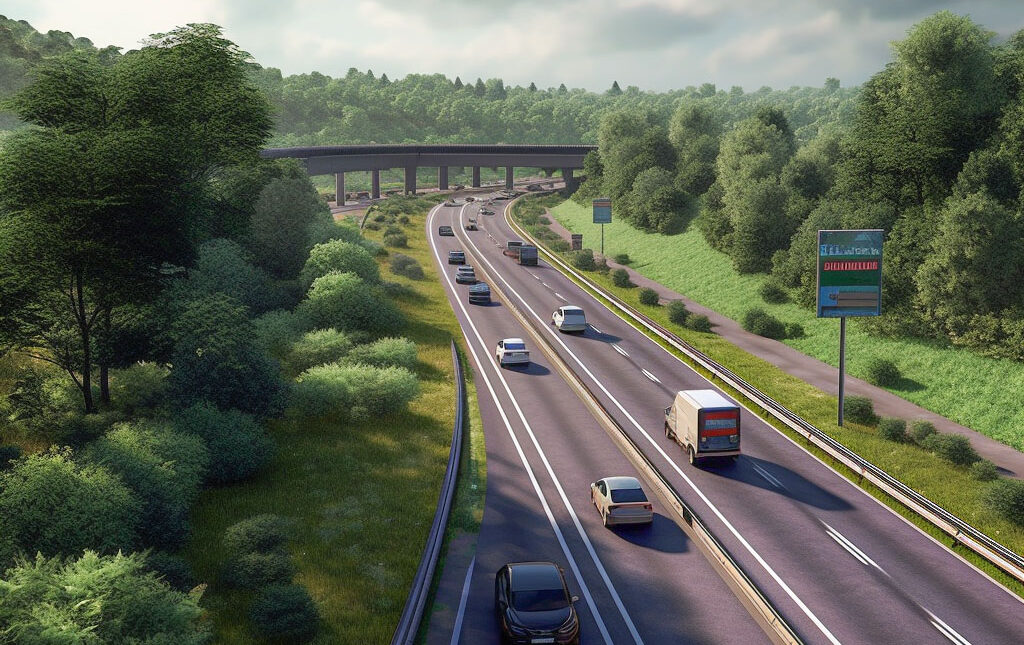
In the ever-evolving landscape of the UK’s transport network, the introduction of Smart Motorways sparked a wave of optimism. These innovative roadways, with their variable speed limits and conversion of hard shoulders into live lanes, promised to bolster the capacity and efficiency of the nation’s road network. However, this optimism was short-lived. Rising concerns about safety, an increase in accidents, and a number of tragic fatalities have plunged Smart Motorways into controversy, leading many to question: Are they a path to redemption or ruin?
In January 2020, a storm of public outcry and pressure from MPs and road safety groups led the government to announce a review of Smart Motorways. The review’s findings suggested that these motorways were no more hazardous than conventional ones. However, it did put forth 18 measures aimed at enhancing their safety, including an increase in emergency refuge areas, heightened public awareness and enforcement of the rules, and technology upgrades to detect stopped vehicles.
The government has committed to implementing these measures by 2025. Yet, critics argue this is too little, too late. They contend that Smart Motorways are inherently unsafe and should be abolished. Detractors point to the harrowing stories of drivers who have suffered injuries or lost their lives after breaking down in a live lane, left unprotected from oncoming traffic. They also cast doubt on the reliability and effectiveness of the technology tasked with monitoring and managing traffic flow.
Among the critics is Claire Mercer, whose husband, Jason, tragically lost his life on a Smart Motorway in 2019. She has taken legal action against the government, accusing it of breaching its duty of care. „Smart Motorways are anything but smart. They are death traps. I will not stop until they are scrapped,” she stated.
On the other side of the divide, proponents of Smart Motorways assert that they are a necessary and beneficial solution to tackle congestion and pollution. They highlight evidence indicating that Smart Motorways have reduced journey times and emissions, and have not increased the overall risk of collisions or casualties. Highways England reports that Smart Motorways have improved journey reliability by 22%, curtailed carbon dioxide emissions by up to 7%, and decreased personal injury accidents by over 25%. They also believe that the proposed safety improvements will address the main concerns, making Smart Motorways safer and smarter.
Edmund King, president of the AA and a staunch supporter of Smart Motorways, said, „Smart Motorways are here to stay and we support them as long as they are made safer. The measures announced by the government are a step in the right direction, but we need to see them implemented as soon as possible.”
The debate on Smart Motorways rages on as the government faces legal challenges and intense public scrutiny over its plans. The central question remains: Are Smart Motorways a road to redemption or ruin for the UK’s transport system? Only time will tell.